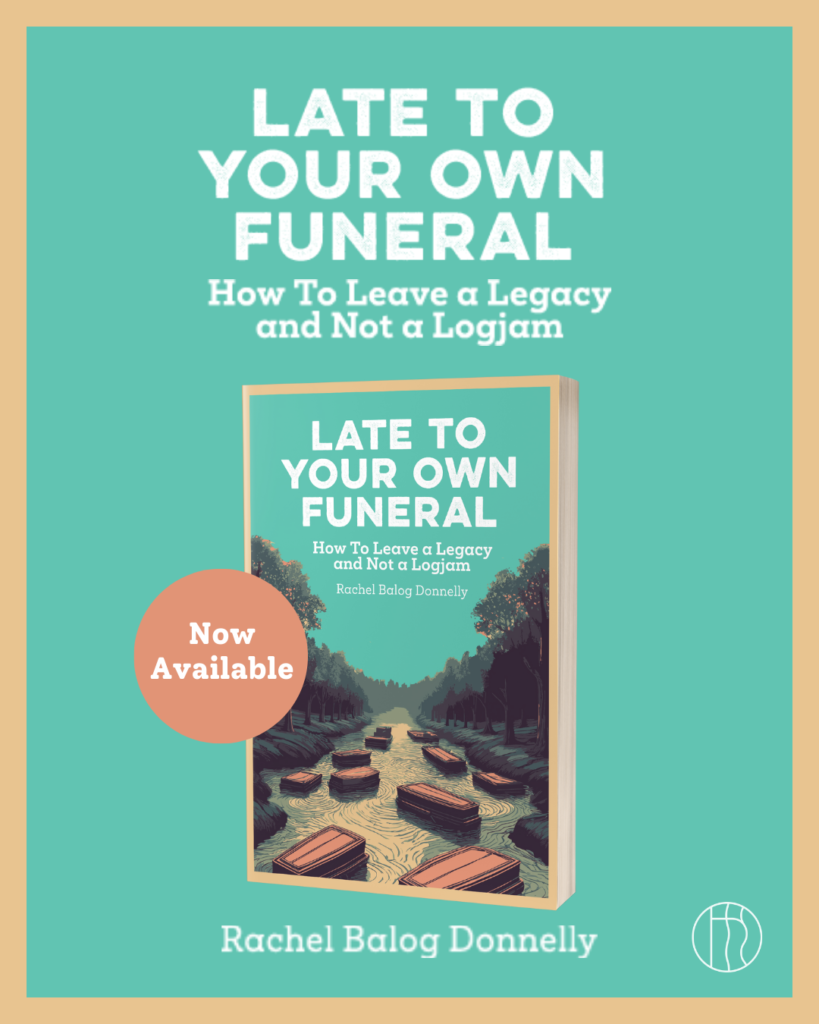
After my mother died, I had to clean out my childhood home, our family’s lakehouse, and my grandparents’ home that had been in our family since 1890. A few years later, when my uncle died, I had to clean out his house too.
The whole process was exhausting in ways I didn’t anticipate. The physical load was one thing. The mental load was another. But it was the millions of microdecisions that finally put me over the edge.
What do I do with:
- My mom’s DAR pin collection?
- My dad’s medical school diplomas?
- Both grandmothers’ china?
- My great-aunt’s silverplate platter?
- The figurines that seem to multiply overnight?
- The basement full of half-finished projects that never quite got done?
My team is cleaning out a house right now, and the sweet woman who lived there loved horses. I mean, really loved horses. Horse books, horse art, and horse figurines in every room. I’m hoping the right buyers find the online auction we’re putting together, because that’s the thing about stuff. It’s never just stuff. It’s someone’s whole story, and eventually somebody has to decide what happens to it.
So in the spirit of the season, let me ask you something.
What would haunt your kids if they cleaned out your house tomorrow?
I think there are four kinds of haunting.
1. The stuff you love but your kids won’t
Are there things in your house you treasure that you know your kids will never want? Are you quietly guilting them into keeping them in the family? Nobody wants to be the person who throws out Grandma’s china.
Here’s how I’d tackle it, in this order:
- Ask first. Ask your kids what they actually want. Out loud. Now. You might be surprised in either direction, and it’s much better to hear “nothing, Mom” from them than to guess.
- Keep the story, even if you let go of the stuff. Before anything leaves your house, capture why it mattered. A tool like Artifcts lets you attach photos, stories, and what should happen to each item next, so the meaning travels even when the object doesn’t.
- Find out what you have. WorthPoint is a database of what antiques and collectibles have actually sold for, and it can help you identify a piece from its maker’s mark. If it turns out to be worth something, an appraiser or estate sale professional can take it from there.
- Give it a second life. For instance, I recently met the founders of the Brooklyn Tea Cup Company at a conference, and I’m planning to send them some of our family’s china to be turned into something new.
2. The stuff everyone will fight over
Here’s the plot twist. Nobody wants the china cabinet. But the 1966 Chevy Impala? Mom’s wedding ring? I once had a client whose family went to the mattresses over Dad’s postcard collection.
The things with the most sentimental value, and sometimes the least dollar value, are the ones that turn grieving siblings into opposing counsel. And nobody is ever wrong about wanting them, which is what makes it so hard.
The fix is simple, if not easy. Write down who gets what, with enough detail that nobody has to guess. A home inventory app like SaveOr makes this far less painful. Snap photos, let the app build the list, invite your family to weigh in on what they’d like, and generate a Personal Property Memorandum to take to your attorney. Then ask your attorney how to make it official in your state.
3. The stuff nobody knew was there (or can’t get rid of)
This one isn’t really about objects. It’s about questions only you can answer, and you won’t be around to answer them.
- The hidden stash. My mother hid wads of cash in yards of fabric. Yes, fabric. We also once found cash taped to the bottom of a paint can in another house we were cleaning out. Diamonds in a Sucrets box. The real horror is when someone donates or dumps it all before anyone looks. If you’re cleaning out a house, check before you toss.
- The safe deposit box nobody knew existed, at a bank nobody knew you used.
- The storage unit with a monthly bill and no explanation.
- The timeshare. The zombie of estate assets. You can’t kill it, and it keeps sending bills. Depending on the contract, it can pass to your heirs along with the maintenance fees, and getting out can be harder than getting in.
Your family isn’t just cleaning out a house. They’re playing detective while grieving. Every item with no context becomes a question: Does this matter? Was this important? What would Mom have wanted?
The fix is not complicated. Keep a simple list of what’s where and who gets what. Put a sticky note on the things that matter and tell people the story behind them. Although helpful, you don’t have to organize your entire life. You just have to leave a few breadcrumbs.
4. The stuff you don’t want them to find
You know what I’m talking about. Pictures or letters from an old boyfriend or girlfriend, or anything in between. I’ve found things in people’s homes that I will take to my grave.
Here’s my very practical, very unsexy advice: make a plan now.
Maybe you and your best friend pinky promise to handle each other’s collections, whoever goes first. Think of it as pre-designating a cleanup crew before things get messy. If that feels like too much, at minimum, store whatever you’d rather not leave behind in a box clearly labeled DESTROY UPON MY DEATH. Leave instructions with someone you trust to actually follow through.
Your family is going to go through everything. The only question is what they’re going to find.
Happy Halloween.