The hardest decisions in estate administration are rarely about money.
Recently, I sat down at a kitchen table with a couple in their 80s.
They had asked me to help organize the scaffolding of their estate.
Pull together documents.
Clarify accounts and responsibilities.
Make sure the paper trail matched their intentions.
Prepare for what we all know will come one day.
We were flipping through deeds and insurance policies when the conversation shifted.
With worry in their eyes, they told me they want to preserve their property as a working farm.
They are afraid their family will sell it.
They do not want it developed.
They do not want it carved up.
They do not want it changed from what it has always been.
In many ways, they want it frozen in time.
I listened and nodded.
There was nothing I could say that would guarantee their fear would not happen.
Because here is the hard truth:
Once you are gone, the math becomes someone else’s responsibility.
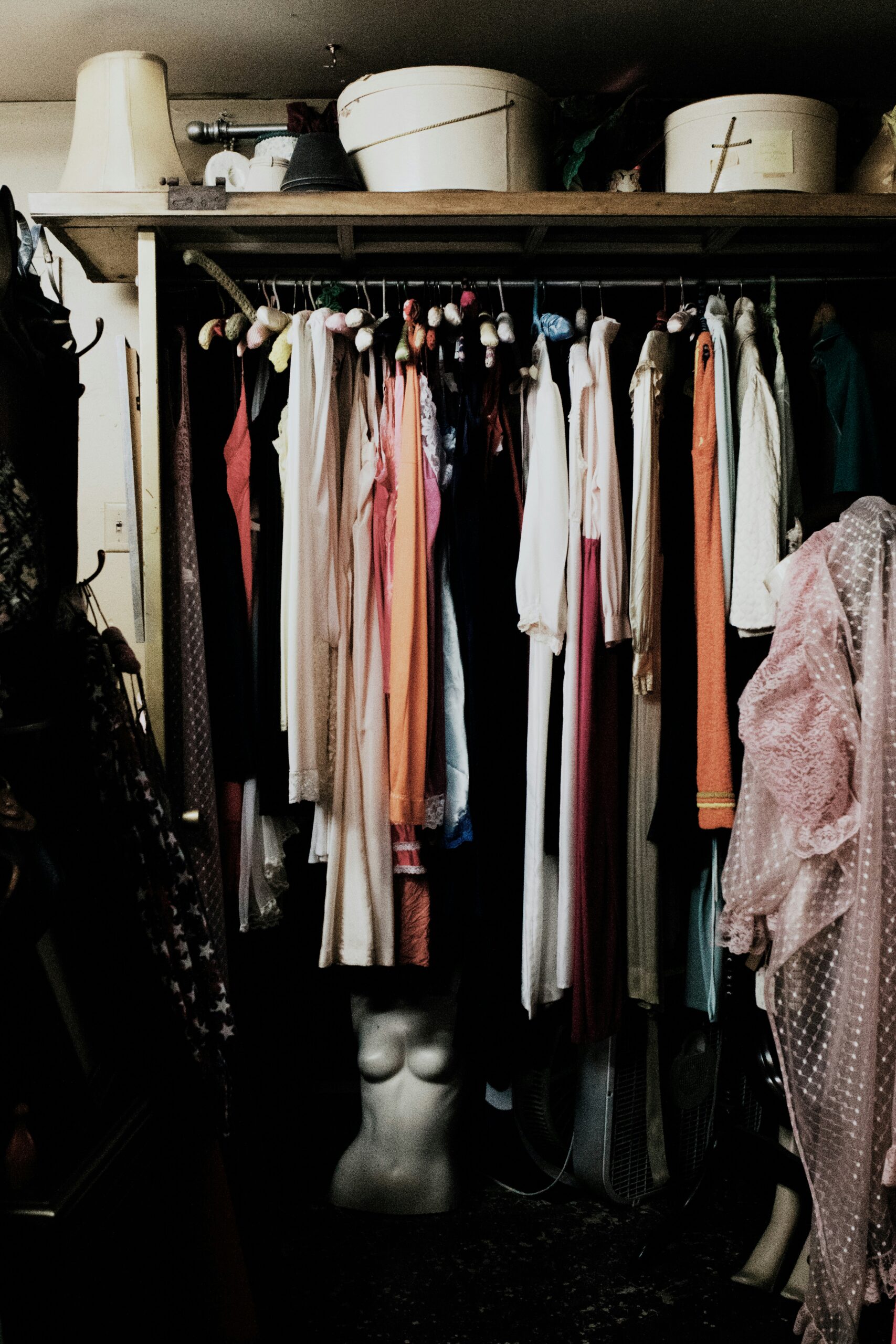
An estate property is never just land, or a house, or the contents within.
It is…
A childhood.
A business.
A legacy.
A burden.
A lifeline.
A liability.
Sometimes all at once.
I know this because I have lived it. I was forced to sell the beautiful old Victorian home that had been in my family since 1890 in Eastern Tennessee.
Five generations, gone with a signature.
The math made sense. The grief did not.
Sometimes the family wants to sell, but they get tripped up on the stuff inside. We believe everything is worth something. The house has to be pristine before it hits the market. We should renovate it. We should clean every inch. We should paint every wall.
Sometimes that is true. Sometimes it is not.
I have seen families delay a sale for a year because they could not decide what to do with china that may sell for $200.
I have seen people wait years to sell, only to watch a vacant house deteriorate and require thousands in unexpected repairs.
I have also seen hoarding situations and unattended deaths where the house was sold as-is to an investor, and everyone breathed a sigh of relief.
There is no universal rule.
When someone dies, the questions sound practical:
Clean it?
Have an estate sale?
Renovate it?
Sell to an investor?
File insurance?
Demolish it?
But underneath are harder questions:
Are we dishonoring them if we sell?
Will my family think I moved too fast?
Am I upholding my fiduciary duty to the estate?
Am I going to regret this?
Grief is emotional. Real estate is financial.
Estates force you to hold both at the same time.
This is where grief and money collide, and it is exhausting.
There usually is not one perfect answer. There is just the decision you can live with, financially and emotionally.
That is the emotional math of an estate property. It rarely adds up neatly. And if you are in the middle of it, you are not crazy for feeling conflicted.
It means you care.
If you are wrestling with these kinds of decisions, for yourself or for someone you love, having a steady third party to help evaluate options can make the math a little clearer.