For years, the default answer to “Where should I keep my will?” was simple:
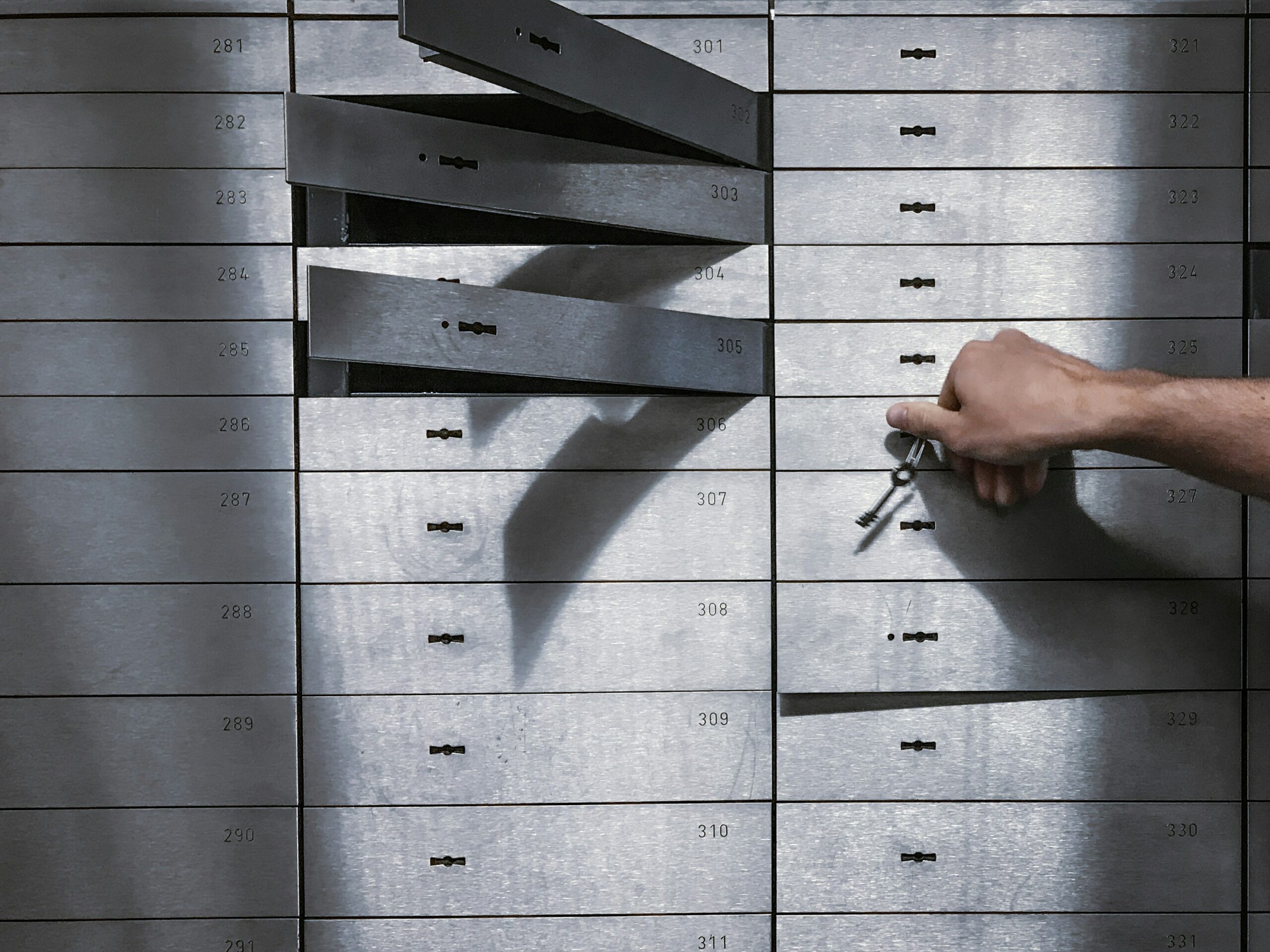
The safe deposit box.
It felt official. Secure. Responsible. Like something adults with their lives together did.
There’s just one problem.
The safe deposit box is quietly becoming an endangered species.
Banks across the country are shrinking their physical footprints, and safe deposit boxes are often the first thing to go. Many newer branches aren’t even built with vaults anymore, and others are reducing availability or phasing them out altogether. What used to be a given is now hit or miss. You can read more about this shift in this article from The Financial Brand.
But here’s where this really starts to matter.
Even if you do have a safe deposit box, it may not work the way you think it does.
I’ve seen this play out more times than I can count. Someone passes away, and everyone assumes the will is in the safe deposit box. That’s where it’s “supposed” to be, right?
Except now no one can get into the box.
Depending on the bank and the state, accessing it can require death certificates, legal documentation, appointments, and sometimes even a court order. Meanwhile, the very document needed to move things forward is sitting inside the thing no one can open.
So everyone is standing there asking the same question:
“Where’s the will?”
And the answer is… technically, we know. Practically, we’re stuck.
Safe deposit boxes aren’t the only “old default” that’s shifting.
Attorneys used to routinely store original wills. Many don’t anymore. Between storage limitations, liability concerns, and the reality that people retire or close their practices, it’s far less common than it once was.
I had a client whose father had done exactly that. He left his will with his attorney, thinking it was the safest possible choice.
Except the attorney had retired.
The firm had closed.
And the documents had been sent to an off-site warehouse somewhere.
He had to track down where the files were stored and hope someone could locate the right box. At one point, we weren’t even sure the will still existed. And even if it was found, it would take additional time to retrieve and courier it back.
Not exactly the calm, organized start you want when someone has just died.
Some people try to solve for this by filing their will with the local probate court (an option in some jurisdictions, including Georgia) for a small fee. It sounds secure and it is, but it can introduce a different kind of friction. If your will includes funeral or burial instructions, but the document is sitting in a courthouse file that no one can access immediately or even knows to check, you’ve created a delay at exactly the wrong moment.
After watching all of this unfold over and over again, my recommendation is much less exciting and a lot more practical.
I’m a big fan of keeping your original estate documents in your own home.
Specifically, in a fireproof, waterproof safe.
And then do two important things: tell your executor where it is, and make sure someone can actually access it.
Not hidden behind layers of complexity that only you understand. Secure, yes. But also findable.
Because at the end of the day, these are your documents. You should be able to access them when you need them, and the people responsible for handling your affairs should know exactly where to start.
Estate planning isn’t just about having everything in place.
It’s about making sure someone can find it.
Because the most beautifully drafted will in the world doesn’t help much if it’s locked in a box no one can open… or stored somewhere no one can track down.
And trust me, that happens more often than you’d think.